
Sithira Puthiri
If not Sithira Puthiri, I don’t think I would’ve gone back and listened to Sai Abhyankkar’s previous songs like Katchi Sera and Aasa Kooda. I had heard them before. I knew they existed. But Sithira Puthiri made me curious. It made me go back and ask myself, “Okay… who is this guy?”
I still remember the first time I heard it. A random weekday at work. YouTube Music decided this was the next song on shuffle. I think it had barely been a week since the release. BOOM. I was completely into the song.
I wasn’t trying to understand the song then. I was just listening to it like any other new release. But somewhere during that first listen, I realised I couldn’t predict where it was going. Every time I thought the song was about to settle into a familiar pattern, it quietly changed direction. It never tried to surprise me for the sake of surprising me. It simply kept flowing. Like a stream. That’s the beauty of my first listen. Almost a year later, I still find little things in the song that make me smile.
Every time I thought I had enough to write about Sithira Puthiri, I’d play it once more. Then I’d notice a tiny brass I had ignored before. Or a backing vocal that suddenly stood out. Or a rhythmic response tucked neatly behind the lead vocal. I’d close the document thinking, “Not yet.” Very few songs do that to me. Almost every song gives you enough clues to predict what’s coming next. You know when the beat is going to drop. You know where the chorus is waiting. Even if it’s your first listen, your brain quietly starts finishing the composer’s sentences. Sithira Puthiri never gave me that comfort. Every time I thought, “Okay, this is where the song is going,” it would gently take another turn. It never stopped long enough for me to predict it. That’s what surprised me the most.
I love the way Sai arranges the song. He builds it horizontally. Instead of adding ten new instruments together, he lets one small musical idea replace another. A percussion texture enters while another quietly disappears. A backing vocal briefly widens a phrase before stepping away. A brass response fills a gap that previously belonged to silence. Nothing feels static.
My favourite quality of Sithira Puthiri is that it respects and challenges the listener’s intelligence. It doesn’t reveal everything immediately. There’s always another little detail waiting. A tiny rhythmic response hidden beneath the vocal. A background texture that escaped your attention last time. A production choice that suddenly makes sense after the tenth listen. This is replay value in its truest sense.

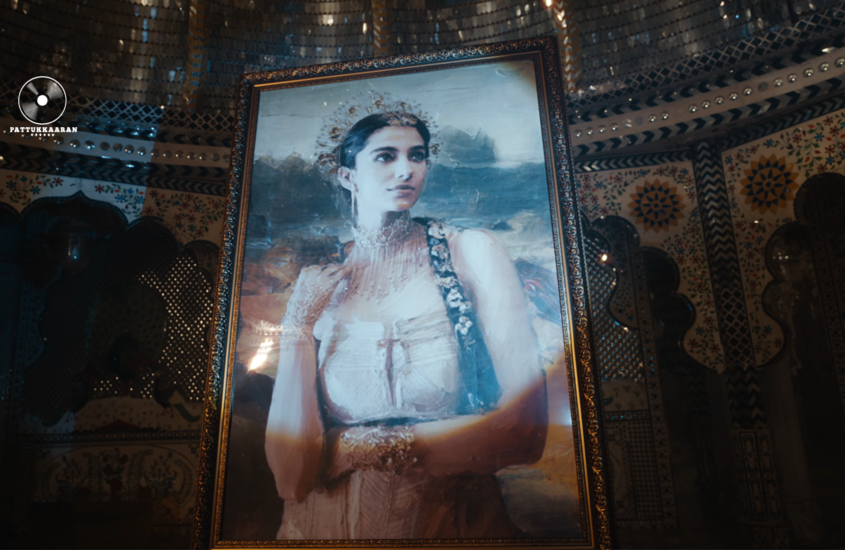
Vivek’s lyrics deserve their own conversation. Throughout Sithira Puthiri, Vivek paints images more than explanations. The woman in the song isn’t merely beautiful. She becomes an idea. Almost mythical. The phrase “Sithira Puthiri” isn’t everyday Tamil. “சித்திரம்” (Sithiram) refers to a painting or portrait. “புத்திரி” is an old Tamil word referring to a young woman or daughter. Together, the title paints an image of a woman so beautiful that she resembles a painting brought to life. Interestingly, the song never treats her like a real person. She exists somewhere between imagination and reality a recurring theme throughout the lyrics. She’s less of a character and more of an obsession.
கரைய வச்சா ஆறா… ஆறா
காதல் ஊரா… காயம் நூறா…
யாரோடும் பேசாத பூ போறா…
கேக்காம தூறாதம்மா பன்னீரா
உன்ன பாக்காம காலம் போகாது தேரா
வாடி நேரா!
This has been sitting in my drafts for months. Finally, found konjam time to flush this out here. I want you to do one exercise. Remove the virality part, the composer out… Just play this one in 70% volume, close your eyes and listen to this song once for me.
See you soon,
Pattukkaaran 🙂

Comments
Monika
Beautiful, beautiful song, and beautiful analysis 👍💙